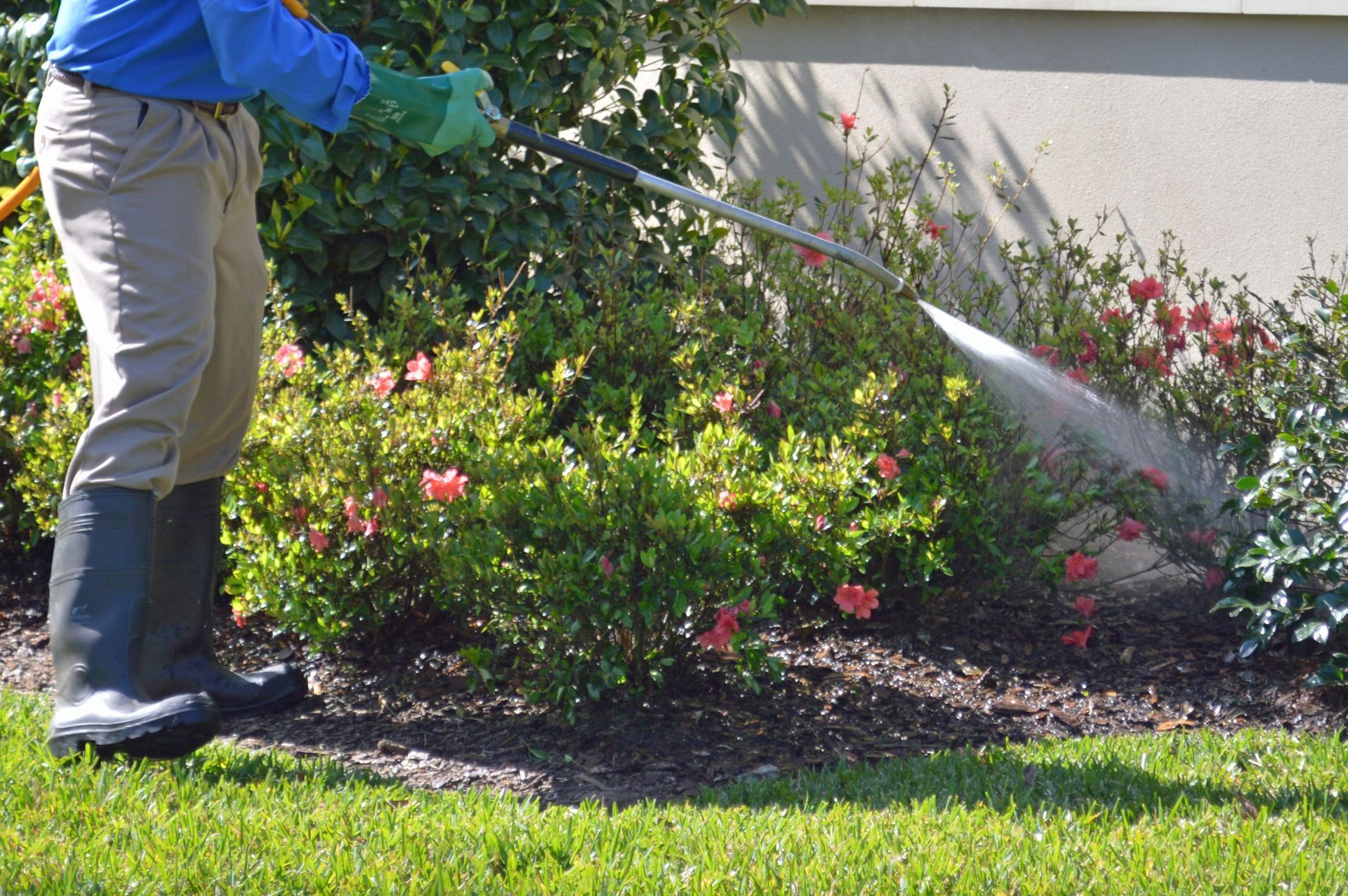
Grass Fertilization Tips: When, How, and Why for Lush Lawns
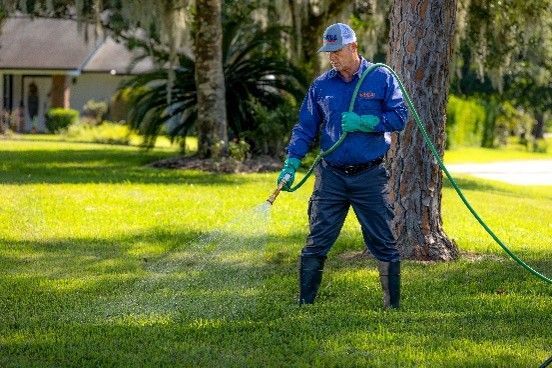
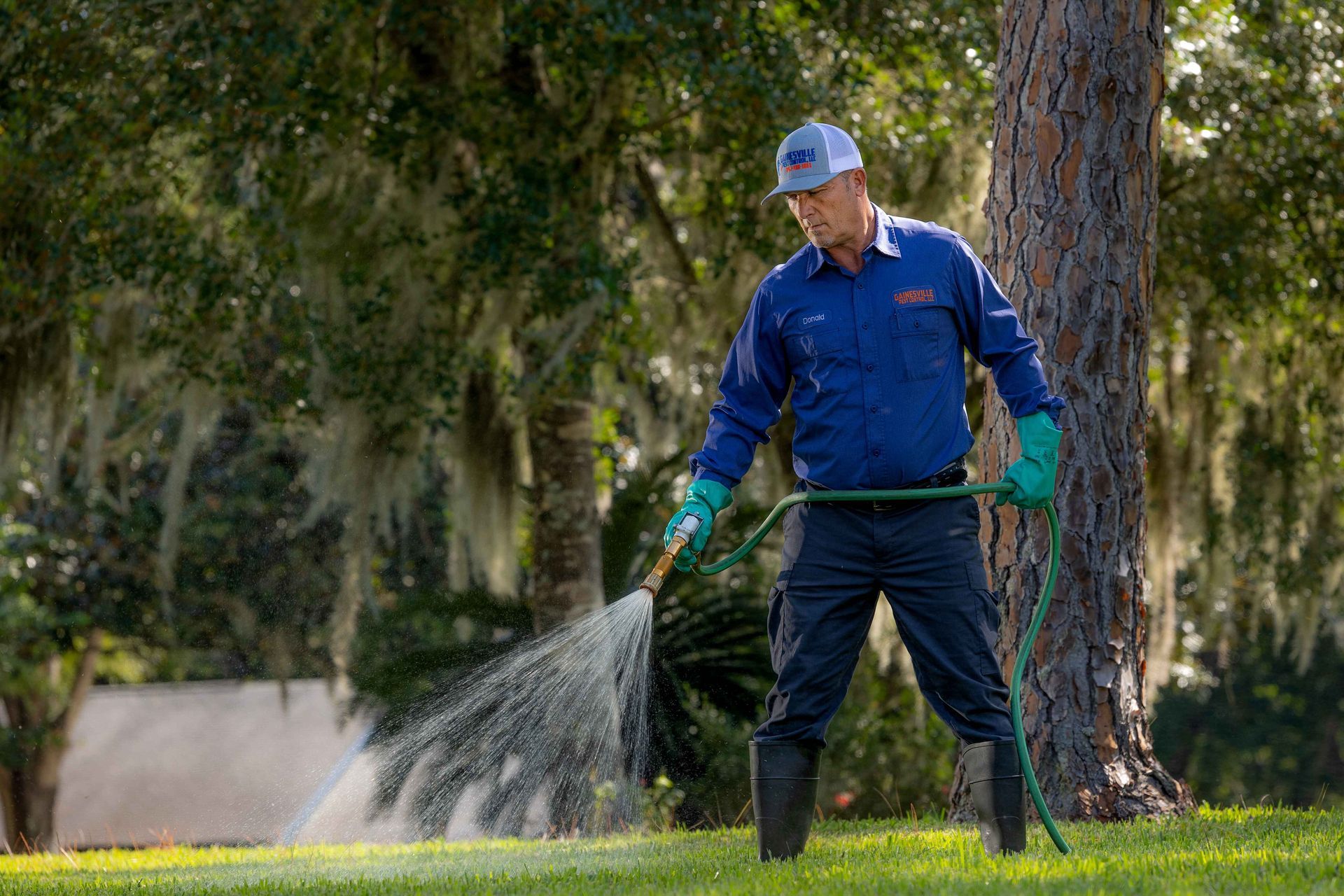
Grass fertilization transforms ordinary lawns into thriving green landscapes, especially in Gainesville, FL. At Gainesville Pest Control LLC, we know how critical the right timing and approach are for homeowners who want their lawns to stand out year-round. Our expertise in grass fertilization helps Gainesville residents achieve healthy, resilient turf that remains vibrant through every season. If you’re tired of lackluster grass and want to understand exactly when, how, and how often to fertilize, our comprehensive guide will walk you through every step.
The Science Behind Grass Fertilization and Lawn Health
A robust lawn starts with proper nutrition. In our region, soil composition and weather patterns can affect how well your lawn absorbs nutrients. At Gainesville Pest Control LLC, we offer customized plans, factoring in local soil and climate to help your yard reach its full potential.
Grass fertilization isn’t just about appearance; it’s crucial for the grass to develop deeper roots, withstand drought, and repel common pests. When nutrients are balanced, you’ll notice more consistent color and growth, fewer bare patches, and a lawn that recovers quickly from stress.
Cool-Season vs. Warm-Season Grasses: Why Timing Is Everything
Not all lawns are the same, and understanding your grass type influences the success of your fertilization program. Cool-season grasses like fescue and ryegrass respond best to fertilizer in early fall and late spring. These periods coincide with active growth and root development. On the other hand, warm-season varieties, such as Bermuda and St. Augustine, need fertilizer mainly in late spring and peak summer months, when growth rates surge with the warmer weather.
Providing services in Gainesville, we tailor our grass fertilization schedules to match the rhythms of each grass type. This attention to timing helps ensure nutrients aren’t wasted and that your lawn receives maximum benefit during the growing season. Applying fertilizer at the correct intervals will result in a healthier, greener yard that can withstand environmental challenges.
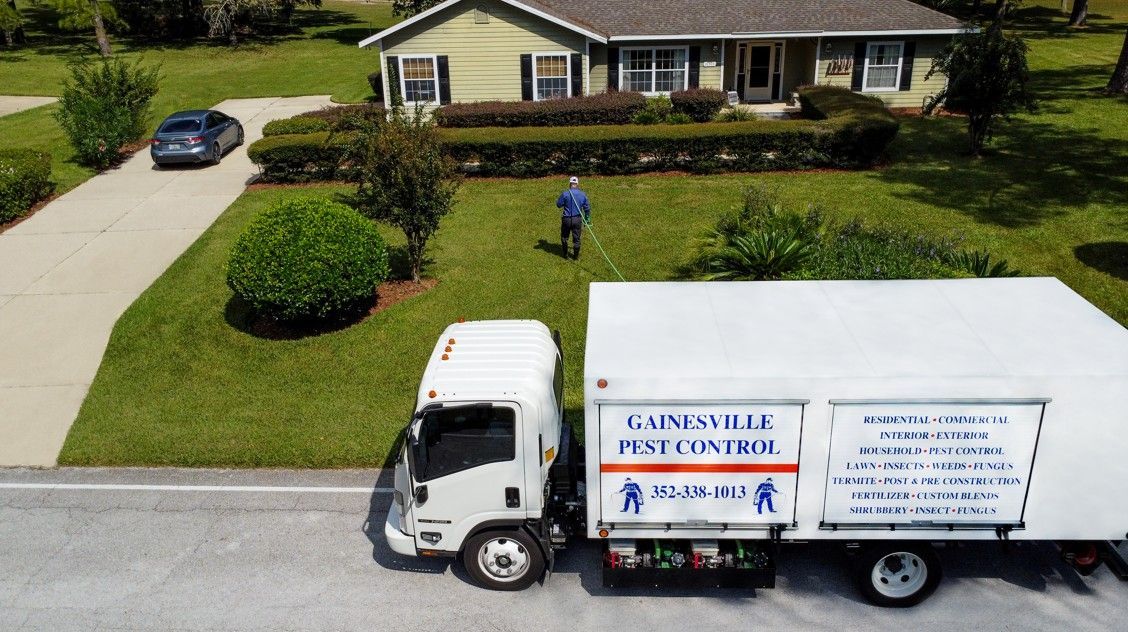
Crafting a Yearly Fertilization Plan
For many homeowners, the idea of creating an annual grass fertilization schedule sounds daunting. Fortunately, it can be broken down into manageable steps. Our typical recommendation covers three to five applications each year:
Early Spring:
Kickstart growth just as temperatures begin to rise. A light application helps your grass recover from winter dormancy.
Late Spring:
Nourishes grass as the growing season hits its stride, fortifying blades and roots for upcoming summer stress.
Summer:
Most important for warm-season grasses, this feeding preserves color and density. We monitor the unique weather patterns in the Gainesville area to determine perfect timing.
Early Fall:
For cool-season varieties, this is the prime window for grass fertilization. Nutrients delivered now help build up reserves for winter and lead to an explosion of growth in spring.
Late Fall:
Optionally, a final feeding strengthens roots, improves winter resilience, and prepares the lawn for spring.
If you want expert advice on creating a plan tailored to your property, visit our lawn treatment services page.
The Critical Role of Fall Fertilization
Among the multiple applications each year, fall grass fertilization stands out as the most important. When the hot, stressful months end and cooler nights arrive, your lawn is primed to absorb nutrients efficiently. This timing ensures roots grow deep and strong, blades thicken, and weeds stay suppressed. Operating in the Gainesville area, we see lawns bounce back dramatically after a well-timed fall feeding. Not only do lawns endure winter weather better, but the spring flush is more robust and vibrant.
Our team recommends choosing a fertilizer blend suitable for your grass variety and recent local conditions. This could mean adjusting nutrient ratios based on rainfall, temperature patterns, or whether the lawn has suffered from summer pests.
Application Best Practices: Getting Results at Home
Applying fertilizer correctly is just as important as choosing the right product. Start with a soil test, which helps identify existing nutrient levels and any deficiencies. At Gainesville Pest Control LLC, we help Newberry homeowners diagnose soil health and pick suitable fertilizer blends.
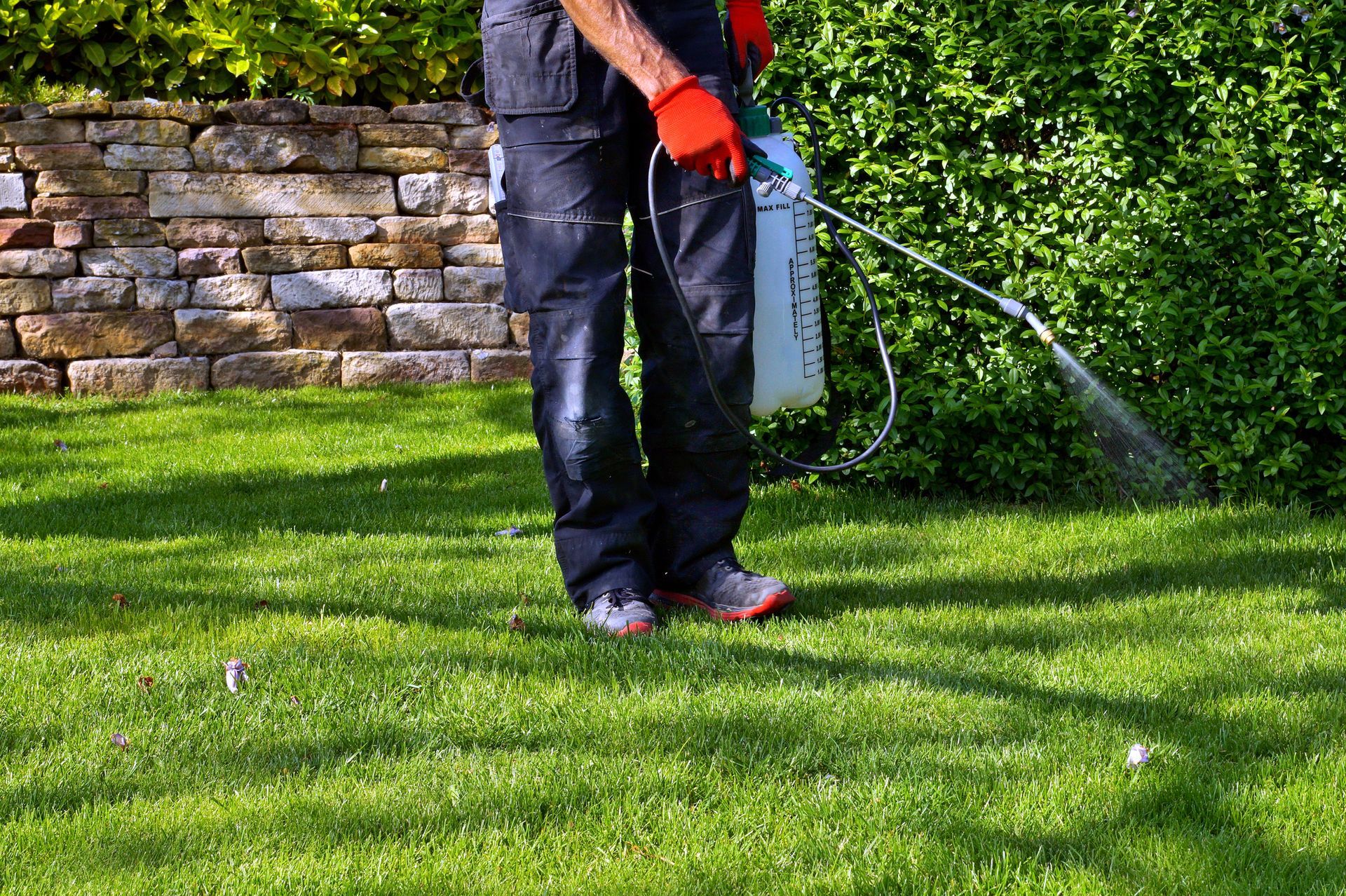
Uniform coverage is key. Use a spreader set to the manufacturer’s recommendations, making multiple passes and avoiding overlaps that could lead to burns or bare spots. After each application, water the lawn to activate the nutrients and assist in their absorption. Remember that more isn’t always better; over-fertilizing can do more harm than good.
In our work around Gainesville, we emphasize consistency and care. Combining fertilization with mowing, watering, and pest control forms a holistic approach to lawn maintenance, delivering greener and more resilient results.
A Strategic Approach to Grass Fertilization: Success Through Planning
Whether your focus is a quick spring recovery or preparing for the challenges of summer heat, annual scheduling provides a roadmap for healthier turf. By understanding local conditions and grass varieties, you’ll maximize the return on every application.
Grass fertilization done right produces lawns that stand out for their density, color, and ability to resist seasonal stressors.
Ready for a Greener Lawn? Contact Gainesville Pest Control LLC
Would you like professional support for grass fertilization in Gainesville and surrounding neighborhoods? At Gainesville Pest Control LLC, we know lawns and are committed to your success. To take the first step toward a healthier, more beautiful yard, contact us at (352) 338-1013 or visit our website. Discover how our expertise and local knowledge can deliver truly exceptional results for your outdoor space.