A Homeowner's Guide to Florida Lawn Weeds and Weed Control in Newberry, FL
Florida lawns face a year-round battle against weeds, and understanding weed control basics is one of the most practical steps a homeowner can take to protect their turf. In Newberry, the combination of warm temperatures, sandy soils, and a long growing season creates conditions where lawn weeds thrive virtually every month of the year. This guide profiles the weed species most common to North Florida yards, explains why Alachua County's climate keeps them coming back, and walks through treatment strategies that actually work.
Why North Florida's Climate Makes Weeds So Hard to Beat
Weed pressure in Newberry never fully stops. Unlike homeowners in colder states who get a frost-driven reset each winter, Alachua County's mild winters mean most weed species never completely die off between seasons. Sandy soils common to the Newberry area drain quickly and warm fast in spring, meaning weed seeds can begin germinating weeks earlier than in other regions. The wet season, typically June through September, then fuels explosive growth for moisture-loving species like dollarweed and nutsedge.
Most Newberry homeowners grow St. Augustine grass, and that turf choice matters for weed control decisions. St. Augustine can be sensitive to certain herbicides, so product selection requires care to avoid damaging the lawn you are trying to protect.
Most Common Lawn Weeds
Learning to identify weeds by appearance and growth habit is the first step toward managing them. The following species show up most consistently in North Florida lawns:
Crabgrass
Crabgrass is a familiar summer annual with coarse, light-green blades that spread outward from a central point. It germinates when soil temperatures warm in spring and can take over bare or stressed turf quickly. The most effective strategy is prevention: applying a pre-emergent herbicide in early spring, before soil temperatures climb, limits germination and makes the rest of the season easier to manage.
Dollarweed (Pennywort)
Dollarweed is a perennial broadleaf weed that thrives wherever moisture collects. Its bright green, round leaves with scalloped edges appear in low areas, near irrigation heads, or anywhere drainage is poor. Newberry's rainy season creates ideal conditions for rapid spread. Cutting back on irrigation, improving drainage, and applying a selective post-emergent herbicide when the weed is actively growing are the main management approaches.
Nutsedge
Nutsedge looks like grass but is actually a sedge, identifiable by its triangular stem and upright growth habit. Yellow and purple varieties both appear in Alachua County yards and tend to explode in population during the wet season. Standard broadleaf weed killers will not control nutsedge. It requires a specialty sedge herbicide, and addressing wet or overwatered areas helps prevent reestablishment.
Florida Pusley
Florida pusley is a heat-loving summer annual that produces clusters of small white flowers at the tips of creeping stems. It spreads through both seeds and rhizomes, establishing quickly in patchy or stressed lawn areas. A pre-emergent treatment before the growing season combined with a post-emergent application once it appears helps keep it from smothering thinner turf sections. Thick, healthy grass is the best long-term defense.
Doveweed
Doveweed is especially tricky in St. Augustine lawns because its shiny, rubbery leaves closely resemble the grass itself. It begins germinating in late spring and spreads aggressively during summer. Many homeowners do not realize they have it until patches have already grown large. Post-emergent herbicides labeled for St. Augustine grass can manage established doveweed, but timing the application before major spread occurs makes the job considerably easier.
Chamberbitter
Chamberbitter is a warm-season annual with delicate, fern-like leaves and small seed balls along the underside of its stems. It tends to appear in thin lawn areas and along landscape bed edges, germinating in late spring and growing actively through summer. A combination of pre-emergent and post-emergent treatments, along with consistent mowing, keeps it in check.
When to Treat and What Approach to Use
Timing is everything in weed control for Newberry lawns. Two product types drive most programs.
Pre-emergent herbicides form a chemical barrier in the soil that prevents weed seeds from germinating. Key timing windows for North Florida are early spring, before soil temperatures consistently reach the mid-60s, to target summer annuals like crabgrass and Florida pusley, and early fall, typically September into October, to target cool-season weeds like chickweed.
Post-emergent herbicides address weeds already growing. Applications should be made when temperatures are below 85 degrees Fahrenheit to reduce turf injury risk, and the herbicide must be labeled for the specific turfgrass in your yard. Nutsedge requires its own dedicated product category, separate from standard broadleaf weed killers.
Cultural practices support every chemical treatment. Mowing St. Augustine grass at 3.5 to 4 inches, watering deeply but infrequently, and addressing low spots that collect moisture all reduce the conditions weeds exploit. Pairing a lawn fertilization program with a consistent weed control schedule gives Newberry yards the best chance against persistent weed pressure.
Take the Stress Out of Lawn Weed Control
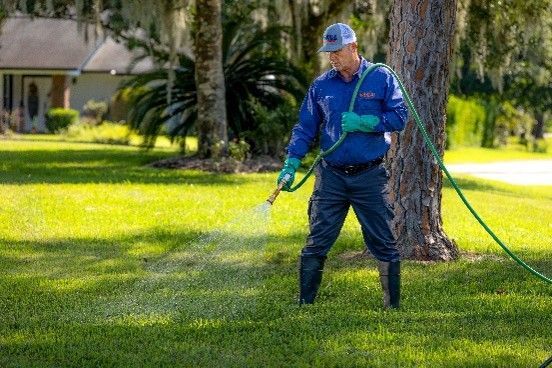
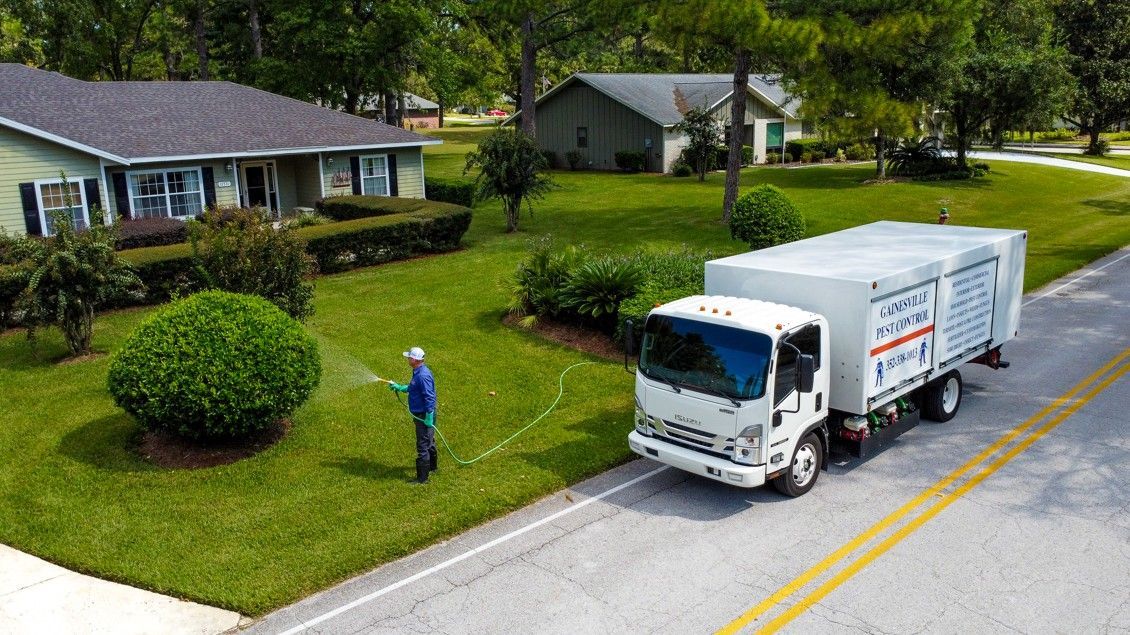
Identifying the right weed, choosing the right product, and hitting the right treatment window is a lot to coordinate in a climate that keeps weeds growing for most of the year. That is where we come in. Gainesville Pest Control LLC serves Newberry, FL, and the surrounding Alachua County area with professional weed control programs tailored to North Florida lawns.
Our team is licensed, experienced, and familiar with the specific species and seasonal patterns that affect yards in this area. Call us at (352) 338-1013 to get started.
You can also check our
Google profile for reviews and updates from neighbors in the Newberry area.