How to Identify Fire Ant Mounds and When to Call Ant Control Experts in Newberry, FL
Fire ants are one of the most common and painful pest problems for homeowners in Newberry. This guide covers how to identify mounds, distinguish fire ants from other species, and when professional ant control is the right call. Newberry sits in Alachua County, where warm temperatures, sandy soils, and open sunny yards create near-perfect conditions for red imported fire ant colonies to establish and grow fast.
What Fire Ant Mounds Actually Look Like
Fire ant mounds can look different from what many people expect. Because Alachua County has sandy soil, mounds here may appear flatter or less dramatic than the tall, dome-shaped piles shown in textbooks. UF/IFAS notes that Florida's sandy soils may prevent the large mounds typically seen in states with more clay-heavy soils. That does not mean the colony is small or inactive.
Key visual markers to look for:
- A loose, irregular pile of disturbed soil in a sunny, open area of your yard.
- No visible entry hole at the top of the mound.
- Dome shape ranging from a few inches to well over a foot across, and nests can grow up to 3 feet wide and 18 inches high with up to 500,000 ants.
- Mounds may also appear under rocks, landscape timbers, at tree bases, and along pastures or rights-of-way.
The clearest sign you are dealing with fire ants is what happens when the mound is disturbed. Reddish-brown workers boil out in seconds, grip with their jaws, and sting repeatedly, leaving the classic ring of itchy white pustules.
How Do You Tell Fire Ants Apart from Other Ant Species?
Knowing which ant species you are dealing with matters for choosing the right ant control approach. Here is how common species compare:
Red Imported Fire Ants vs. Big-Headed Ants: Both are reddish-brown and live in lawns. Fire ants build distinctive sandy mounds, especially after rain, while big-headed ants leave much less dramatic dirt pushed up between cracks and around tree roots.
Red Imported Fire Ants vs. Florida Carpenter Ants: Florida carpenter ants appear bicolored red and black, are noticeably larger than fire ants, do not build sandy mounds, and are most active in the morning and evening. Learn more in our post on the Florida carpenter ant.
Red Imported Fire Ants vs. Native Pyramid Ants: A small volcano-shaped mound with a single entrance hole at the center is likely a pyramid ant nest. Pyramid ants are not aggressive and are natural predators that can help slow the spread of invasive fire ants.
Seasonal Fire Ant Activity
Fire ant activity in Newberry is a year-round concern. During Florida's hot summers from May through September, populations can explode, making ants more aggressive and mounds more prominent across lawns and fields. In Newberry, the combination of rural pastureland, residential lots, and open grassy areas creates broad foraging territory for colonies.
After heavy summer rains, mounds often appear overnight. Fall brings a secondary surge, so checking your property in September and October is a smart habit. Fire ants prefer warm, sunny areas, and while extreme weather pushes them deeper into their nests, active colonies can be found year-round in Florida.

When Should You Call a Pro?
Some isolated mounds may respond to store-bought baits, but there are clear situations where professional ant control is the safer and more effective choice.
Consider calling a professional when any of these apply:
- Multiple mounds appear across your yard or pasture within days of each other.
- A household member or pet has had an allergic or severe reaction to stings.
- Mounds are located near a children's play area, garden bed, or your home's foundation.
- Fire ants are trailing near interior walls, suggesting the colony may be nesting inside the structure rather than outdoors.
- Store-bought treatments have been applied but the colony has returned or relocated.
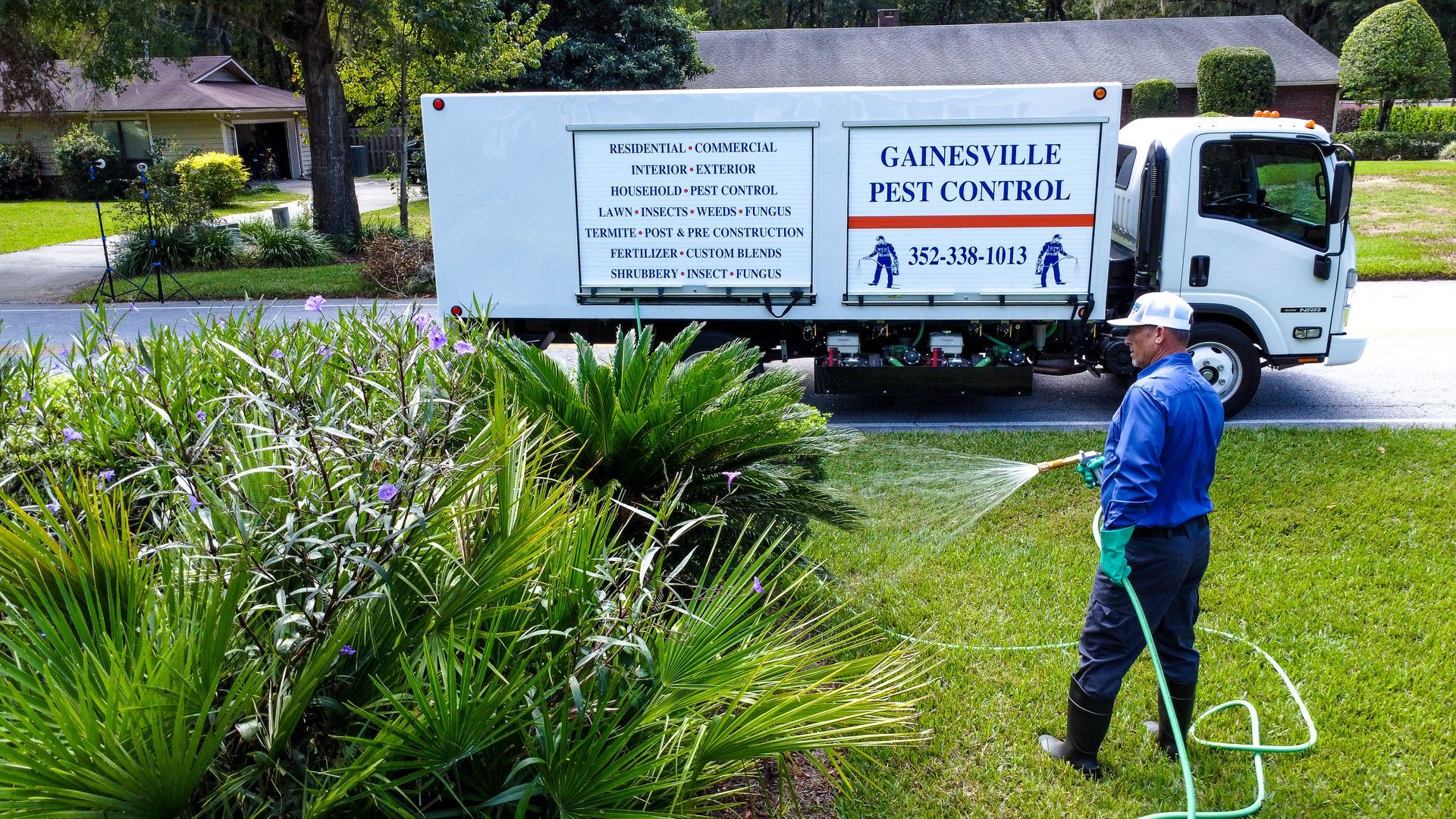
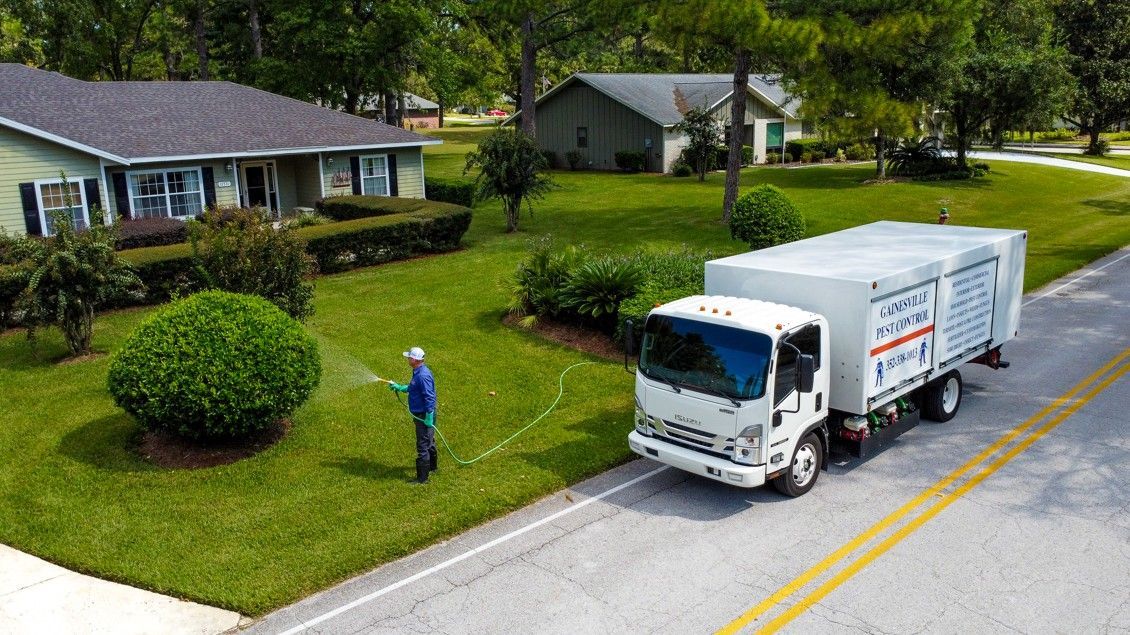
Fire ants create multiple mounds in close proximity and will often reinvade an area after treatment. Treating one mound without addressing satellite colonies gives a false sense that the problem is solved. Professional ant control uses targeted treatments that address the colony at its source and apply preventive barriers to reduce reinvasion. Learn more on the pest control services page.
A Step-by-Step Guide to Identifying a Fire Ant Mound
Before contacting a professional, confirming what you are looking at helps the technician prepare.
Follow these steps without disturbing the mound:
- Look for loose, dome-shaped dirt piles in open, sunny areas, particularly along driveways, sidewalk edges, and near landscaping.
- Check for no visible central entry hole at the top, which distinguishes fire ants from pyramid ants and other species.
- Stand back and observe from a distance. Small reddish-brown ants moving quickly around the base are a strong indicator.
- Note the number of mounds nearby. Multiple mounds in close proximity point strongly to a fire ant infestation.
- Photograph the mound and surrounding area before calling a professional so the technician can assess scope before arriving.
Never poke or step on a suspected fire ant mound. Workers respond within seconds and multiple stings can occur before you can move away.
Take Action Against Fire Ants
Fire ants are not a problem that resolves on its own, especially in Alachua County's warm climate. Our team is trained to provide thorough ant control, addressing infestations at the colony level, not just the surface. Whether you have spotted one mound or a dozen, Gainesville Pest Control LLC is ready to help homeowners serving Newberry, FL, get lasting relief.
Call us today at
(352) 338-1013 to request an estimate. You can also check our
Google profile to read reviews from neighbors across Alachua County.