Pre-Emergent vs. Post-Emergent Weed Control: A Gainesville Homeowner's Seasonal Guide
Timing is the single most important factor in effective weed management, and for Gainesville, FL, homeowners, getting that timing right means understanding the difference between pre-emergent and post-emergent herbicides. North Central Florida's subtropical climate keeps weeds active almost year-round, so a seasonal approach is not optional. This guide covers what each treatment does, when to apply it, and which weeds are most likely invading lawns across Alachua County.
What Is the Difference Between Pre-Emergent and Post-Emergent Weed Control?
Pre-emergent herbicides create a chemical barrier in the soil that stops weed seeds from germinating before they appear above ground. Post-emergent herbicides target weeds that are already visible and growing, killing the plant down to the root.
Neither product works in place of the other. A pre-emergent applied after germination has started will have little effect. A post-emergent sprayed on seeds that have not yet sprouted is equally useless. Using both tools at the right times is what keeps a Gainesville lawn consistently clean.
When Should Gainesville Homeowners Apply Pre-Emergent?
Pre-emergent timing in Gainesville, FL, is driven by soil temperature, not the calendar.
Spring Pre-Emergent Window
Apply spring pre-emergent between mid-February and late March when soil temperatures reach 65 to 70 degrees Fahrenheit for several consecutive days. This timing targets crabgrass, goosegrass, and spurge before they emerge. Chamberbitter germinates at warmer soil temperatures, so a follow-up application in April or early May may be needed for that specific weed. Watering the treated area within 48 hours helps activate the barrier.
Fall Pre-Emergent Window
Apply fall pre-emergent by mid-to-late September as soil begins to cool below 70 degrees Fahrenheit. This round targets winter annual weeds that establish through the cooler months and set seed before spring. Sandy, open soils common in neighborhoods near Paynes Prairie are especially vulnerable and benefit from consistent fall treatment.
Common Weeds Gainesville Homeowners Face by Season
Gainesville's warm, humid climate creates favorable conditions for weeds in every season. Knowing which weed you are dealing with guides product selection.
Crabgrass is a summer annual grassy weed that thrives in thin turf and warm soil. It germinates in spring and can spread thousands of seeds per plant before dying in fall. Pre-emergent timing is the most effective defense.
Dollarweed (Pennywort) is a broadleaf perennial that thrives in moist, poorly drained areas common across Alachua County. It responds well to selective post-emergent herbicides but can persist in low spots or overwatered lawns.
Chamberbitter is a warm-season weed that germinates later than crabgrass and is often misidentified. It requires a later pre-emergent window and targeted post-emergent treatment once visible.
Post-Emergent Weed Control: Rescuing a Lawn Already Under Attack
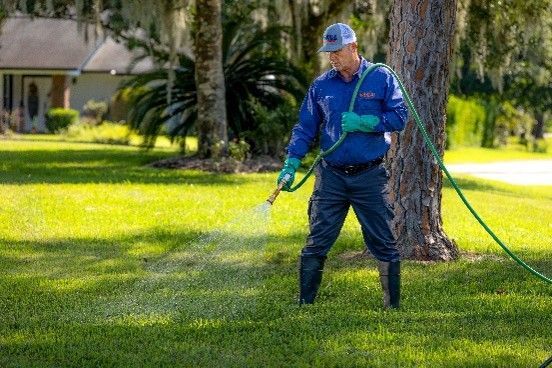
Post-emergent herbicides work best when applied to actively growing weeds. Selective post-emergents target specific weed categories such as broadleaf or grassy weeds while leaving surrounding turf unharmed. Non-selective post-emergents kill everything they contact and are appropriate only for spot treatments in non-turf areas.
Product choice matters. Dollarweed and other broadleaf weeds respond to different active ingredients from grassy weeds like crabgrass or goosegrass. Applying the wrong product wastes time and money and can stress desirable turf.
DIY vs. Professional Weed Control in Gainesville
DIY weed treatment can work for homeowners managing light, isolated weed pressure. However, soil temperature monitoring, proper herbicide selection, and Florida pesticide applicator licensing all matter when treating a lawn effectively and legally. Pre-emergent products can also interfere with grass seed germination, so coordinating applications around overseeding plans requires experience. Professionals understand how Gainesville's summer rain patterns, sandy soils, and humidity affect product efficacy throughout the year.
A Note on Alachua County Landscape Rules
Alachua County's Florida-Friendly Landscaping Code encourages reducing pesticide use in residential landscapes, and county code classifies nuisance overgrowth exceeding 18 inches as a violation. A consistent weed management schedule helps homeowners stay compliant. A licensed professional familiar with local standards can ensure treatments align with county guidelines and Florida Department of Agriculture requirements.
Build a Seasonal Weed Control Calendar for Your Lawn
A consistent seasonal schedule is the most effective way to manage weed pressure year-round in Gainesville, FL.
February to March: Apply spring pre-emergent when daytime temperatures reach 65 to 70 degrees Fahrenheit for four to five days. Spot-treat any visible winter weeds with a selective post-emergent.
April to May: Apply a second pre-emergent round targeting chamberbitter. Monitor for emerging grassy weeds and treat with selective post-emergent as needed.
June to August: Focus on post-emergent spot treatments. Time applications between rain events, as Gainesville's heavy summer rainfall can reduce herbicide effectiveness.
September to October: Apply fall pre-emergent before soil temperatures drop below 70 degrees Fahrenheit to prevent winter weed establishment.
November to January: Spot-treat visible winter annual weeds as needed and monitor turf health heading into the next spring cycle.
For a deeper look at how lawn treatment services in Gainesville, FL, can support year-round turf health, explore what a professional program can include.
Let a Local Expert Handle Weed Season
A well-timed weed treatment program is one of the best investments a Gainesville homeowner can make in their lawn. Gainesville Pest Control LLC has served Alachua County since 1984 and offers professional weed control in Gainesville, FL, designed around the local climate, soil conditions, and seasonal weed cycles that North Central Florida homeowners deal with each year.
Call (352) 338-1013 to request a free estimate, or find Gainesville Pest Control LLC on Google to read reviews and get directions.