When to Apply Pre-Emergent Weed Control in North Florida: A 2026 Seasonal Guide
Timing is everything when it comes to weed control in Gainesville, FL. This guide explains exactly when to apply pre-emergent herbicides so North Florida homeowners can stop weeds before they ever break the surface in 2026.
Weeds are far easier to prevent than to eliminate. Once crabgrass or dollarweed has spread across a Gainesville lawn, the window for pre-emergent treatment has already closed. Understanding the two critical application windows for North Florida can save you weeks of frustration and keep your turf thick and healthy all year long.
Why Soil Temperature Matters More Than the Calendar
Soil temperature is the most reliable trigger for pre-emergent weed control timing. Weed seeds respond to heat in the ground, not the date on a calendar. A mild winter or early warm spell can push germination weeks ahead of schedule, and calendar-only planning may leave your lawn unprotected.
For North Florida lawns, summer annual weeds like crabgrass begin germinating when soil temperatures at a two-inch depth reach the mid-50s to low 60s Fahrenheit. Applying pre-emergent after that threshold is crossed renders the product far less effective, since it works by stopping seedlings before they push through the soil barrier.
A simple soil thermometer can help you track conditions at your specific address. Shaded yards in areas like Haile Plantation or Duck Pond may warm more slowly than open lawns in Jonesville or near Archer Road, so local monitoring pays off.
North Florida's Two Pre-Emergent Windows for 2026
Window 1: Late February to Early March (Spring Application)
The spring application targets warm-season grassy weeds, with crabgrass being the biggest offender in Gainesville yards. University of Florida IFAS research indicates that North Florida homeowners should apply pre-emergent around March 1, or before daytime temperatures reach 65 to 70 degrees Fahrenheit for four to five consecutive days.
For 2026, keep an eye on soil temps starting in mid-February. If Alachua County sees an unusually warm February, the window may open sooner. Checking soil temperature every few days from February 10 onward is a smart practice.
This application primarily targets crabgrass but also helps suppress spurge, goosegrass, and other summer annuals that thrive in thin or stressed turf. Crabgrass appears quickly in bare or compacted areas of St. Augustine and Bahia lawns, both common across Alachua County.
Window 2: Late August to Mid-September (Fall Application)
The second window targets winter annual weeds such as lawn burweed, annual bluegrass, and chickweed. These cool-season weeds germinate as soil temperatures drop below 70 degrees Fahrenheit, a shift that typically occurs in late August through September in North Florida.
Getting product down before nighttime temperatures consistently drop into the mid-to-upper 50s is essential. Missing this window leaves winter weed seeds free to germinate through the cooler months, often showing up in full force by December when pre-emergent products can no longer stop them.
Gainesville's Soil and Why It Complicates Timing
Gainesville's soil presents a unique challenge. Alachua County sits on a mix of sandy surface soils over clay-influenced subsoil, affecting both drainage and herbicide movement.
In sandier sections, such as areas north of University Avenue or near Newberry, pre-emergent products may break down more quickly after application, shortening effective protection to six to eight weeks and making a follow-up application worth considering.
In areas with heavier clay content, weeds like dollarweed exploit low-lying or frequently wet spots regardless of season. Dollarweed spreads by rhizomes, tubers, and seed, so it may require both pre-emergent and targeted post-emergent treatment as part of a longer-term plan. Improving drainage and adjusting irrigation can also reduce dollarweed pressure over time.
Soil Prep Before Applying Pre-Emergent
A few steps before each application window can improve performance. Mow your lawn to the recommended height for your grass type so long blades don't intercept granular product. Water before and after application to activate the herbicide and help it form the soil barrier that stops germinating seeds. Avoid aerating or dethatching immediately after application, since disturbing the soil layer can break that barrier. Address drainage issues in low-lying areas where standing water encourages moisture-loving weeds like dollarweed and sedge.
How Professional Weed Control Programs Align to These Windows
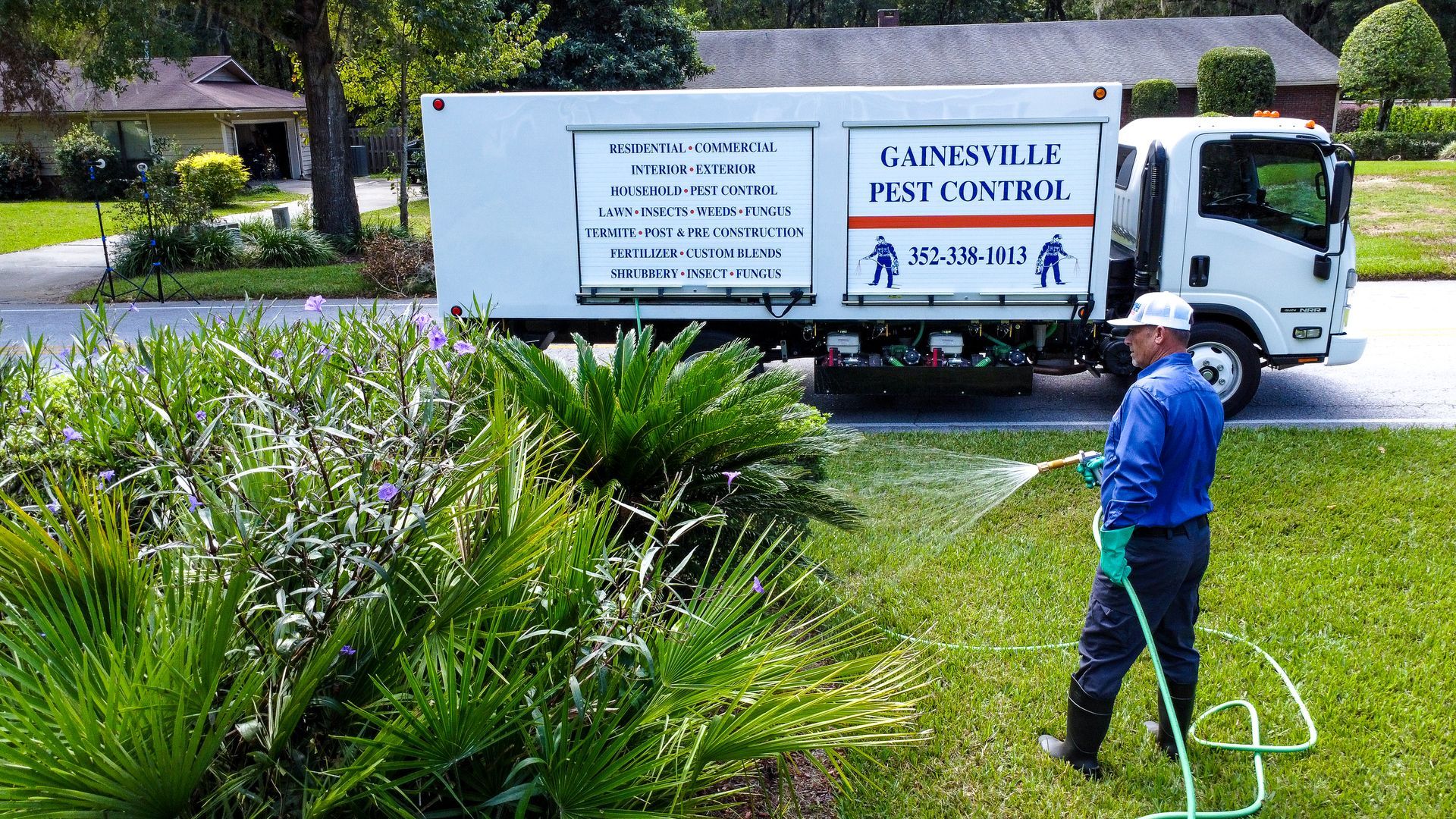
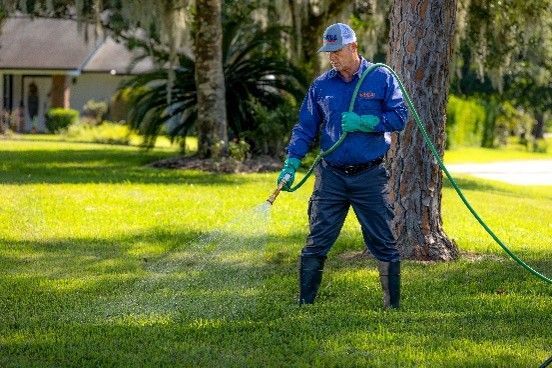
A professionally managed program can take the guesswork out of seasonal weed control timing. Lawn care providers experienced in North Florida track local soil temperatures and adjust application schedules accordingly, rather than relying on fixed calendar dates.
Professional programs typically include a follow-up application within six to eight weeks of the first treatment to extend protection through the full germination window. This two-step approach provides more consistent coverage, particularly in Gainesville's mixed soil conditions where product residual life can vary.
Professionals can also identify which weeds are most active on your property. A lawn in the Kanapaha area with persistent dollarweed pressure may need a different treatment plan than a Millhopper-area lawn dealing primarily with crabgrass.
Ready to Get Ahead of Weeds This Season?
The two pre-emergent windows each year are your best opportunity to stop weeds before they become visible problems. Missing either one means reactive, post-emergent treatment, which is typically harder, costlier, and less reliable.
Gainesville Pest Control LLC has served Alachua County homeowners since 1984 with professional lawn treatment services, including targeted weed control programs timed to North Florida's seasonal soil conditions. The team offers a free 12-point lawn analysis to identify exactly what your turf needs, above and below the surface.
Visit the lawn care service page to learn more about available programs, or contact the team to schedule your free estimate today. You can also call (352) 338-1013 to speak with someone directly. Find Gainesville Pest Control LLC on Google to read local reviews and get directions.