Spider Control: How to Identify a Spider Infestation in Your Newberry, FL, Home
Knowing which spiders may be sharing your home is one of the most useful things a homeowner can do, and spider control starts with identifying what you are dealing with. North Central Florida's warm, humid climate allows dozens of spider species to thrive indoors and outdoors year-round. Some are harmless. Others can pose a real health risk to your family and pets. Understanding the signs of a spider infestation and the species most likely to appear may help you decide when to call a professional.
How Do You Know If You Have a Spider Infestation?
Spider activity is easy to overlook until it becomes a bigger problem. A few scattered webs may not raise alarms, but multiple signs together can suggest a more significant presence. Watch for these indicators in your home:
- Webs reappearing regularly in corners, garages, attics, or crawlspaces after you clear them away.
- Egg sacs, which look like small silky pouches, tucked into closets or behind furniture.
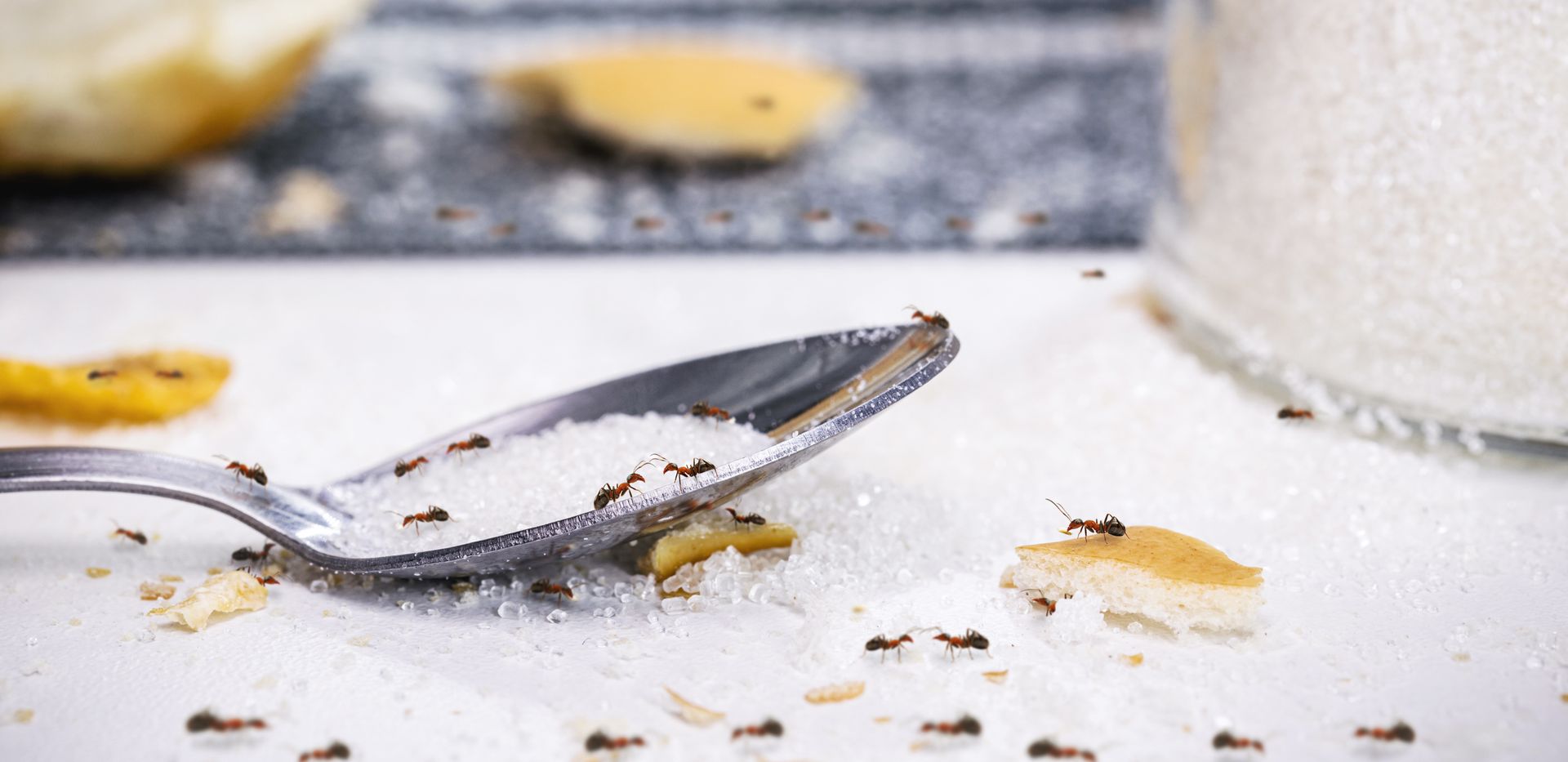
- A noticeable increase in other insects indoors, since spiders follow their food source.
- Frequent sightings of live spiders, especially at night when many species are most active.
If you are noticing these signs together, it may be time to have a pest professional assess your property.
Common Spider Species in North Central Florida
Wolf Spider: Large, hairy, and fast-moving, wolf spiders hunt on the ground rather than building webs. They are often found in garages, crawlspaces, and along baseboards. Their bite is not considered dangerous, but their appearance can be alarming.
Black Widow: The Southern black widow has a glossy black body with a red hourglass marking on the underside of its abdomen. It hides in dark, undisturbed places like woodpiles, sheds, and outdoor furniture. Its venom can cause severe reactions and should be treated as a medical concern.
Brown Recluse: Identified by a violin-shaped marking on its back, the brown recluse prefers warm, dry spaces such as attics, basements, and closets. A bite may cause serious skin reactions and can require medical attention.
Cellar Spider: Often called daddy long legs, these thin-legged spiders build tangled webs in basements, attics, and garages. They are harmless but can become a nuisance when populations grow.
Golden Silk Orb-Weaver: Also called the banana spider, this large outdoor species spins golden webs around vegetation and structures. It is generally harmless and helps reduce mosquito and fly populations.
Jumping Spider: Compact and quick, jumping spiders appear on walls, windows, and outdoor surfaces. They are not dangerous and are considered beneficial.
The Connection Between Lawn Care and Spider Activity
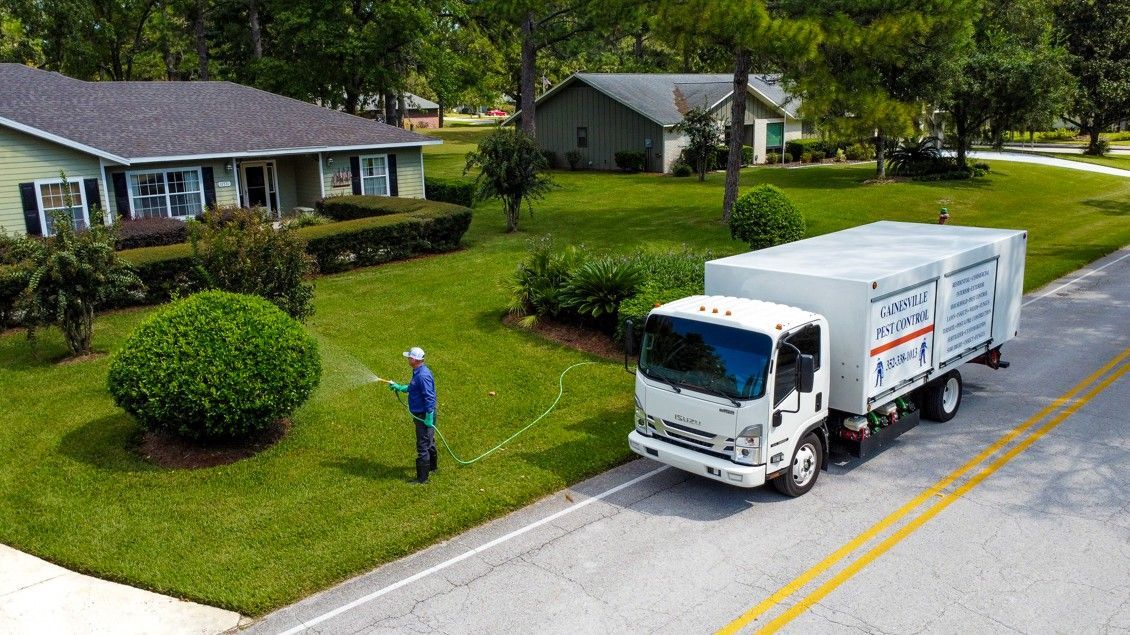
Spiders follow insects, and overgrown or unhealthy lawns can harbor the insect populations that draw spiders toward your home. Keeping grass trimmed, removing leaf litter, and maintaining a well-treated yard may help lower overall pest activity around your home's exterior. Explore how professional lawn treatment can support a broader pest prevention strategy for your property.
Sealing cracks around doors and windows, reducing outdoor lighting that attracts insects, and clearing clutter from storage areas are also steps that may help deter spiders from moving indoors.
Ready to Address Spider Control?
Gainesville Pest Control LLC proudly serves Newberry, FL, and the surrounding Alachua County area with professional spider control and pest management solutions. Check our Google Profile to read reviews from your neighbors. Call us today at (352) 338-1013 to request your free estimate.